
Emergency Roof Tarp in Fort Worth: What to Do in the First 24 Hours After Storm Damage
By Total Pro Roofing ·
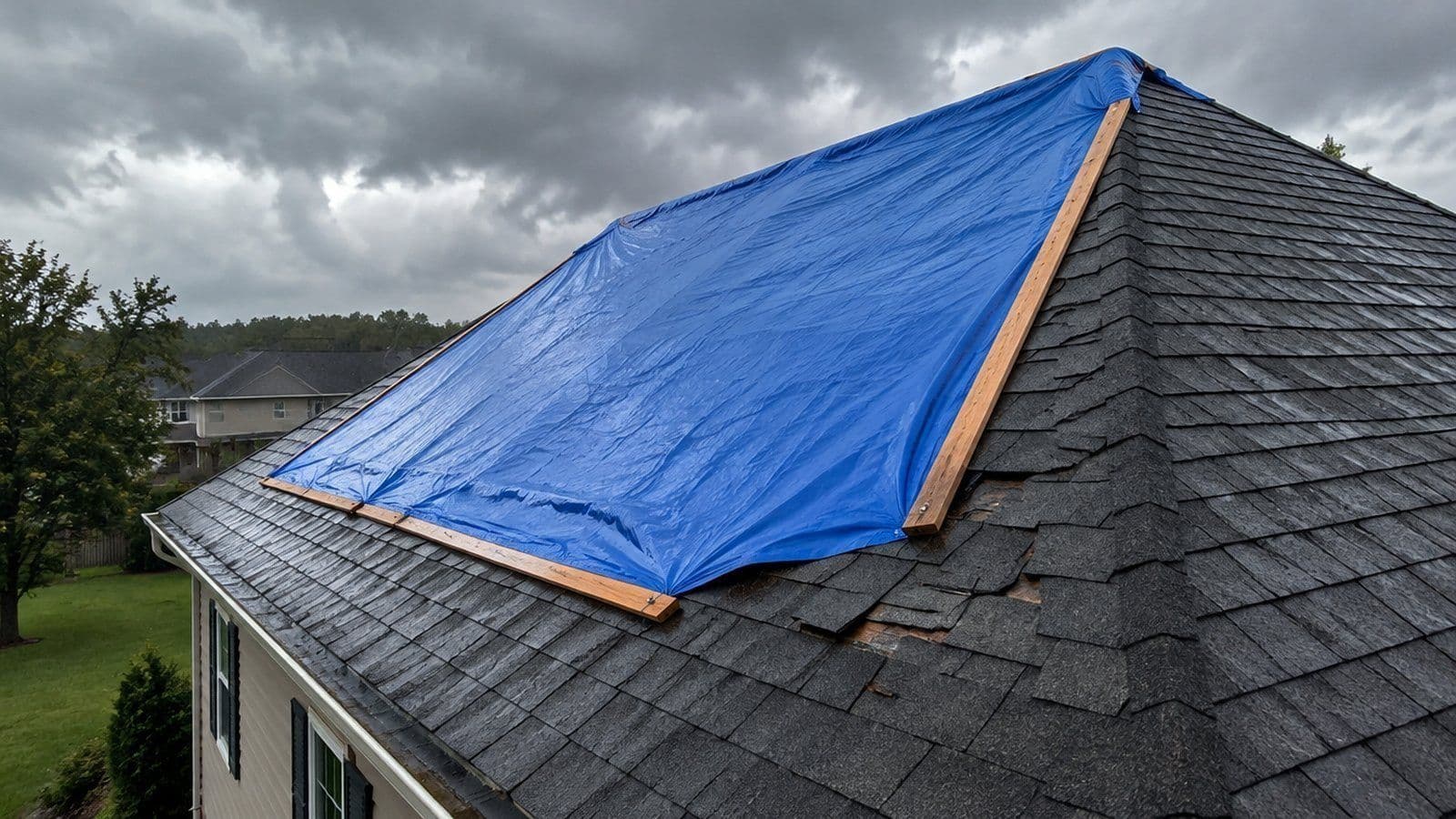
The storm moves off to the east, you step outside, and there it is: a hole in the roof, or a patch of bare wood where shingles used to be. More rain is in the forecast. What you do in the next 24 hours decides whether this stays a roof problem or turns into a ceiling, insulation and flooring problem too. An emergency roof tarp in Fort Worth, put on the right way, is how you buy time, and it is also what your insurance company expects you to do.
Here is the order that keeps you safe, keeps water out and protects your claim.
Fort Worth, Arlington and Mansfield know big storms
The west side of the Metroplex has seen some very large hail in the last few years. A few examples from NOAA's Storm Prediction Center:
- June 1, 2025. Storm spotters reported 3-inch, apple-size hail in far south Fort Worth near Everman, 2.75-inch hail in Everman and 2.5-inch, tennis-ball-size hail in Arlington. The SPC reports for that night also list 2-inch hail near Kennedale and Grand Prairie.
- May 27, 2024 (Memorial Day). Spotters reported 3.25-inch hail in northeast Arlington and 2.1-inch hail in Mansfield, with 2-inch hail nearby that damaged fences, skylights and vents.
- April 25–26, 2026. Spotters reported 2.75-inch hail in north Fort Worth, and a 70 mph gust was measured at Westworth. WFAA reported that nearly 40,000 Oncor customers lost power across North Texas.
- October 15, 2026. Wind behind a cold front blew part of a home's roof and porch off near Brock, west of Fort Worth.
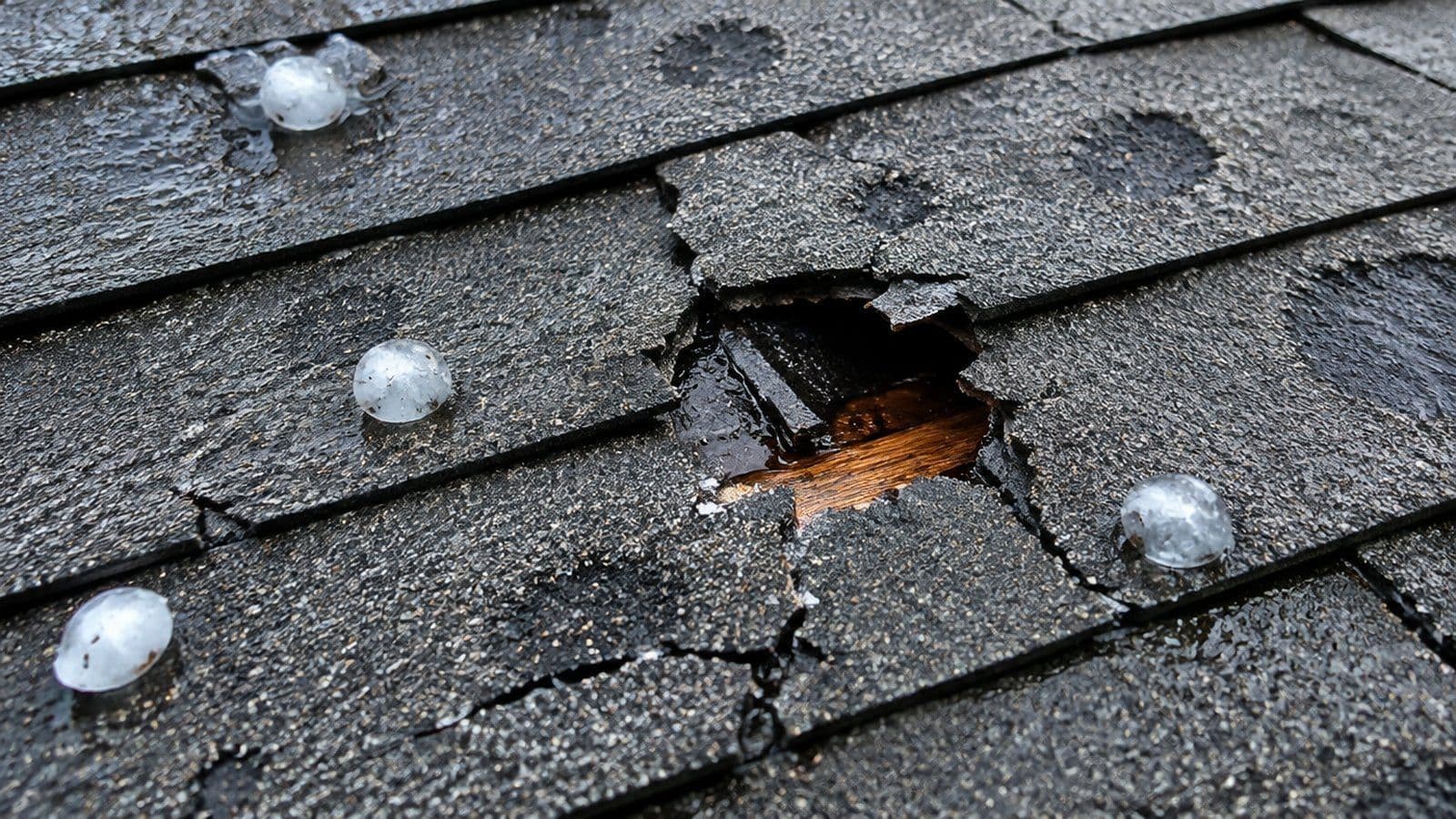
Hail that size can crack shingles and punch through them. Wind can peel them off. Either way, you can end up with an opening in the roof, more weather on the way, and a real need for an emergency roof tarp in Fort Worth.
The first hour: safety before the roof
Nothing on the roof is worth getting hurt over.
- Stay out of rooms where the ceiling is sagging or dripping heavily. Wet drywall can come down without warning.
- Keep water away from electricity. If water is near outlets, light fixtures or the breaker panel, shut off power to that area at the breaker only if you can do it while standing somewhere dry. If not, call an electrician.
- Stay away from downed power lines and report them to your electric provider.
- Do not climb on the roof during the storm, at night or while it is wet. Shingles are slick, damaged decking can give way, and lightning can linger after the rain stops.
Hours 1–6: document everything
Before anything gets moved or covered, take pictures. The Texas Department of Insurance says to take photos and video of the damage, cover holes and save your receipts.
- Photograph the roof from every side, from the ground.
- Photograph any holes, missing shingles, broken skylights and vents you can see without climbing.
- Photograph the inside: ceiling stains, drips, wet insulation, damaged furniture and floors.
- If you can, photograph a few hailstones next to a ruler or a coin for scale.
- Write down the date and time the storm hit.
Then move what you can out of harm's way. Put buckets under drips, roll back rugs, and move electronics and furniture.
Hours 6–24: an emergency roof tarp in Fort Worth, done right
Putting an emergency roof tarp on a Fort Worth home is not complicated, but the details decide whether it works. A tarp that is weighed down with a few bricks or tied loosely will flap, tear and blow off with the next gust, and then it is not protecting anything.
What a proper tarp job looks like
- The tarp is bigger than the damage. It should extend well past the hole on every side.
- It goes over the ridge when possible. If the top edge stops partway up the slope, rain runs down the roof and straight under it. Wrapping the tarp over the peak keeps water running over the tarp, not under it.
- It is fastened with wood boards, not just nails. Strips of lumber are rolled into the edges of the tarp and fastened to the roof so the wind cannot get a grip on it.
- It is pulled tight. A loose tarp catches wind and pools water.
Should you tarp the roof yourself?
In most cases, no. Climbing a storm-damaged roof with a tarp that acts like a sail in the wind is one of the riskier things a homeowner can do. If the damage is small, low and easy to reach, and the roof is dry, you may be able to cover it safely. Otherwise, leave it to a roofer.
TDI notes that your policy may pay for temporary repairs, so keep every receipt for the tarp, lumber and labor.
Call your insurer and start the claim
TDI's advice is simple: file a claim as soon as you can if hail or strong winds damaged your home. Filing deadlines vary by policy, so check yours.
Once you file, Texas sets some timelines for the insurance company. It has 15 business days to acknowledge your claim. After it receives everything it needs, it has 15 business days to accept or deny the claim in writing. It can extend that by 45 days, and TDI can add 15 more days after a weather catastrophe. Once the insurer agrees to pay, payment is due within 5 business days. Our guide to filing a roof hail insurance claim walks through the whole process. This is not legal or insurance advice; your policy, your insurer and TDI have the final word.
Watch out for door knockers in the days after a big storm. In Texas, it is illegal for a contractor to waive or promise to cover your deductible, and TDI says that after a disaster, out-of-town contractors cannot ask for a down payment before they start. Our post on storm chaser roofing scams in Texas covers the other red flags.
From the emergency tarp to the real fix
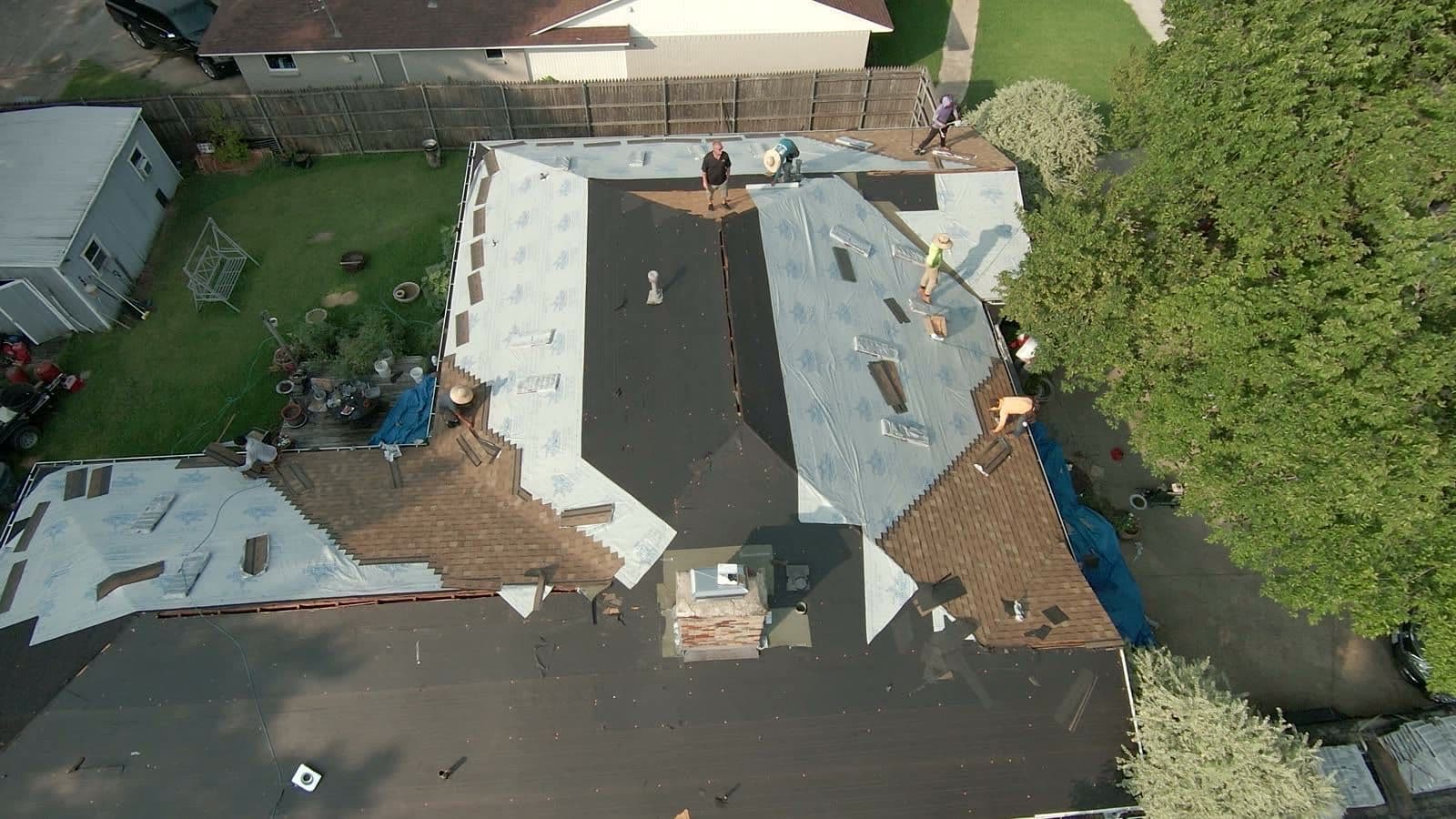
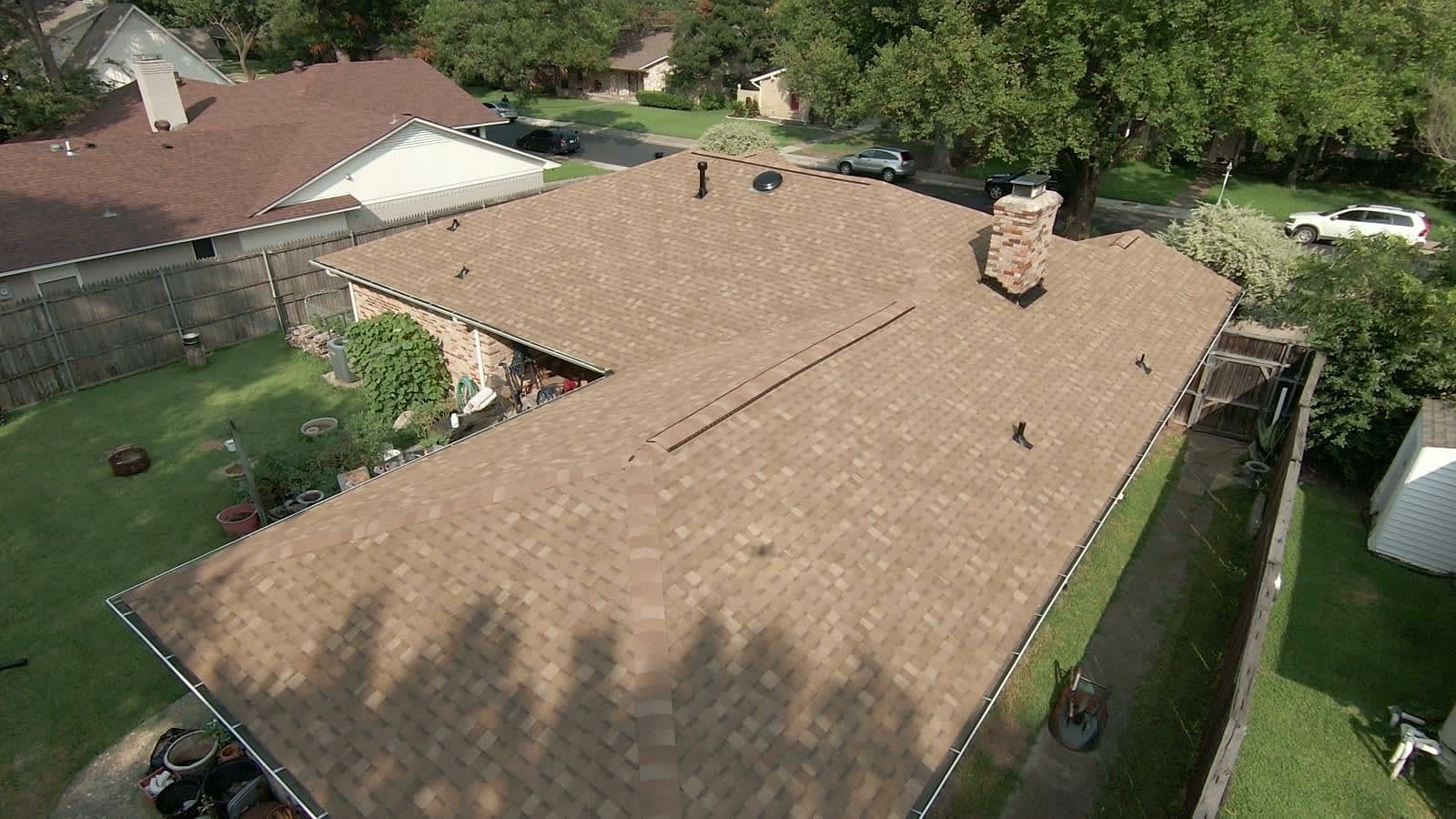
An emergency roof tarp buys you time. It does not fix the roof. Sun and wind wear tarps down, and every week a tarp stays on is another week of risk. The next step is an inspection to find out whether the damage is a roof repair or calls for a roof replacement, and to document it for your adjuster.
Our storm damage page explains what we look for after hail and wind, and how the insurance side works in Texas.
Storm damage in Fort Worth? Call Duane
If a storm has opened up your roof, call Duane Huddleston at (214) 545-8133 or request a free inspection. He will inspect the damage, show you photos of what he finds, and tell you straight whether you need a repair or a new roof. He can also help you document the damage for your insurance claim and meet with your adjuster. No cost and no obligation.
Total Pro Roofing works on homes and commercial buildings in Fort Worth, Arlington, Mansfield and across the DFW Metroplex.
Have a question about your roof?
Call Duane at (214) 545-8133 or request a free inspection. No cost, no obligation.