
Roof Leak After Heavy Rain? What DFW Homeowners Should Do Now
By Total Pro Roofing ·
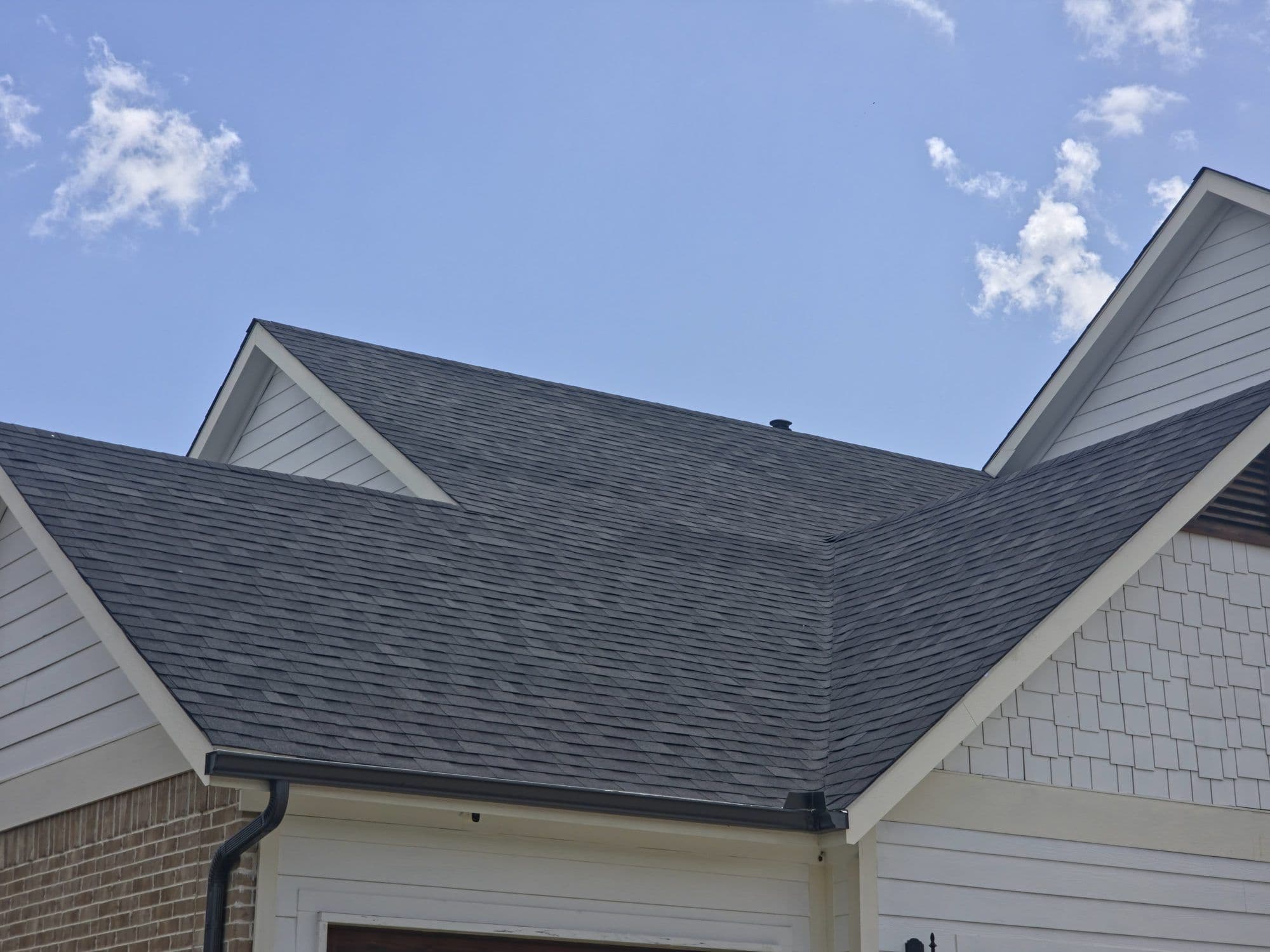
After 67 days without measurable rain, North Texas got it all at once.
The storms that moved through from September 30 into October 4 put down about 4.5 inches of rain in downtown Dallas and more than 6 inches in Fort Worth, according to National Weather Service totals reported by The Dallas Morning News. October 1 alone was the ninth-wettest October day on record for the region, and DFW got more rain that one day than in July, August and September combined.
If that rain left you with a drip in the hallway, a brown ring on the ceiling, or a wet spot in the attic, you are not the only one. A roof leak after heavy rain is one of the most common calls a roofer gets, and after a long dry spell it is just about certain. Here is what to do right now, what probably caused it, and how to get it fixed before the next storm.
Why a long dry spell makes roof leaks show up all at once
A roof can be ready to leak for months and you would never know it, because nothing tested it. Two-plus months of hot, dry weather does a few specific things to a roof:
- Rubber pipe boots crack. The rubber collar around each plumbing vent pipe dries out in the sun and splits. Water runs straight down the pipe into the attic. This is one of the most common leaks on DFW roofs.
- Sealant and caulk shrink. The sealant around flashing, roof vents, skylights and chimneys pulls away from the surface in the heat and leaves a gap.
- Gutters fill up. Leaves and debris collect all summer, then the first heavy rain overflows the gutter and backs water up under the roof edge and behind the fascia.
- Old storm damage finally shows. A cracked or lifted shingle from a spring hail or wind storm can sit there for months. It only leaks once real rain hits it.
- Wind pushes rain sideways. Wind-driven rain gets into places normal rain never reaches, like the flashing where a roof meets a wall.
What to do right now if your roof is leaking
- Make it safe first. If water is near a light fixture, outlet or ceiling fan, shut off that circuit at the breaker. If a ceiling is sagging, keep everyone out from under it.
- Catch the water. Buckets, towels, and move furniture and electronics out of the way. If drywall is bulging with water and the power to that area is off, a small hole at the lowest point lets it drain into a bucket instead of bringing the ceiling down.
- Stay off the roof. Wet shingles are slick, and a fall from a roof is far worse than a leak. OSHA lists falls among the leading causes of death in construction, and that is for people with harnesses and training.
- Take photos and video now. Get the ceiling stain, any wet insulation, damaged belongings, and the outside of the roof from the ground. Write down the date you first noticed it.
- Get the leak covered. A tarp or temporary repair stops more water from getting in. Most homeowners policies expect you to take reasonable steps to prevent further damage, so keep every receipt. In Dallas, the city says no permit is required for temporary measures such as tarps.
- Call your insurance agent if there is interior damage. Whether a leak is covered depends on your policy and on what caused it. Sudden storm damage is usually treated differently from a roof that wore out. Your agent can tell you what yours covers.
How to find where a roof leak is coming from
The wet spot on your ceiling is often not where the water gets in. Water lands on the roof deck, runs along a rafter, and drips wherever it finds a low point, sometimes several feet away. If you can safely get into your attic, go up in daylight with a flashlight and look for:
- Dark stains or wet spots on the underside of the roof deck
- Matted or damp insulation
- Water trails running down rafters
- Rusty nail tips poking through the deck
- Daylight showing through the boards
Inside the house, watch for ceiling stains with rings, bubbling or peeling paint, a musty smell, or water dripping from a light fixture. From the ground outside, look for missing or lifted shingles, shingle granules piling up at the downspouts, bent flashing, and gutters pulling away from the house.
Most roof leaks are repairs, not a new roof
One leak usually means one failed spot: a pipe boot, a flashing seam, a few shingles. That is a roof repair, and it is usually a quick one. If a roof has hail damage across it, or it is near the end of its life and leaking in several places, Duane will show you photos of what he found and explain why a roof replacement makes more sense. Either way, you see what he sees before you decide anything.
If the leak traces back to storm damage, our storm damage page walks through how the insurance claim works in Texas, start to finish.
Watch out for storm chasers
After every big weather event in DFW, out-of-town crews show up knocking on doors. Before you sign anything, ask for a local address, proof of insurance, and their registration with your city where it is required. Never pay for the whole job up front. And if anyone offers to "cover" or waive your insurance deductible, walk away. Texas law does not allow it.
Get a free roof leak inspection from Duane
If the storms left you with a drip, a stain, or just a bad feeling about your roof, call Duane Huddleston at (214) 545-8133 or request a free inspection. He will come look at it himself, show you photos of what he finds, and tell you straight whether it is a quick repair. No cost and no obligation.
Total Pro Roofing serves Royse City, Rockwall, Fate, Heath, Rowlett, Garland and the rest of DFW.
Have a question about your roof?
Call Duane at (214) 545-8133 or request a free inspection. No cost, no obligation.