
Why Is My Roof Leaking? 7 Common Causes on DFW Roofs
By Total Pro Roofing ·
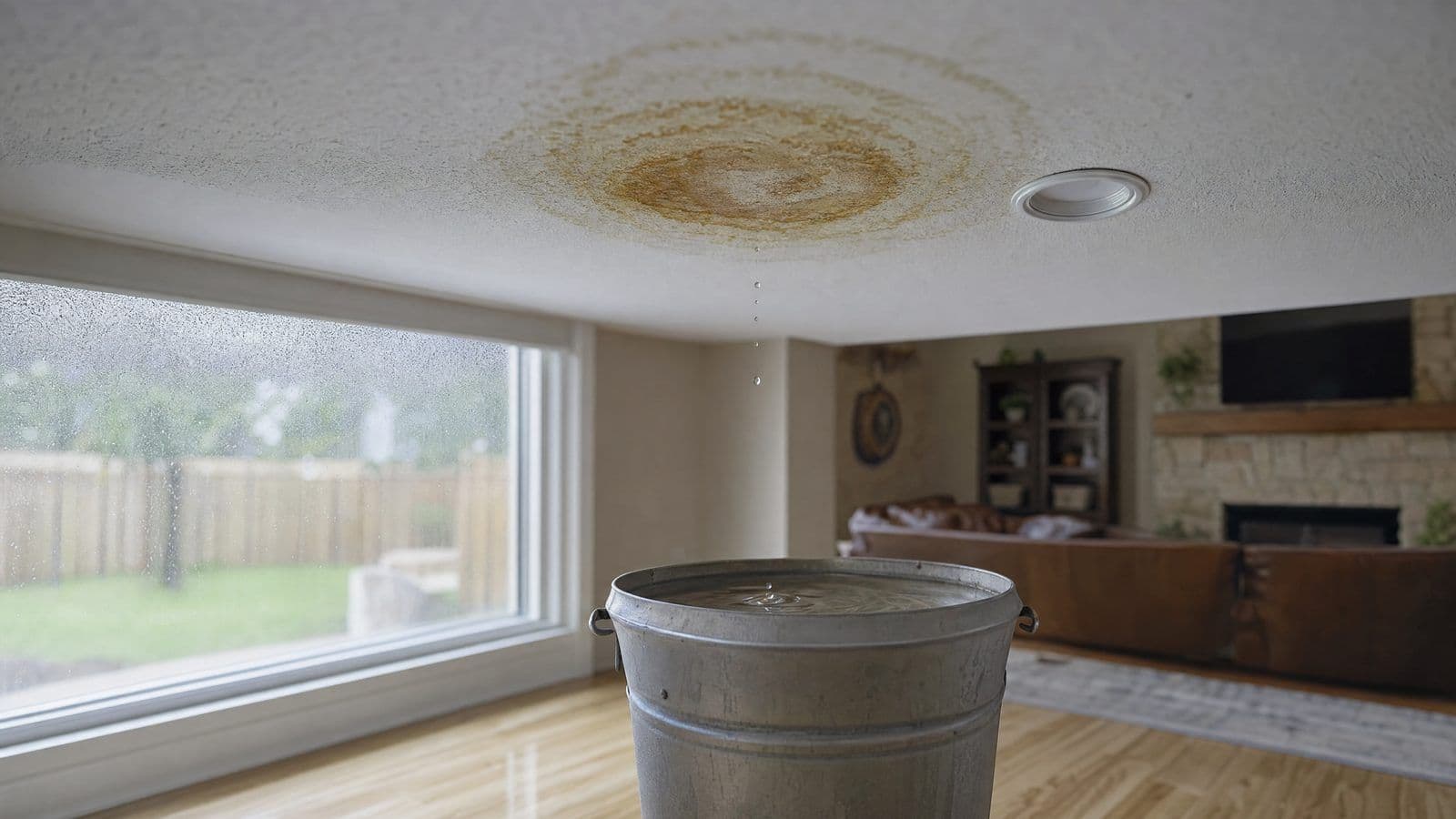
A brown ring on the ceiling. A drip in the hallway closet that only shows up when it really pours. A musty smell coming from the attic. If you are asking why your roof is leaking, the good news is that most roof leaks start in a handful of predictable places, and most of them are repairs, not a new roof.
North Texas found that out the hard way at the start of October, when the first heavy rain in more than two months tested every roof in DFW at once. If you are dealing with water coming in right now, start with what to do about a roof leak after heavy rain. If the drip has stopped and you want to know what caused it, read on. These are the seven places a roofer checks first.
1. Cracked pipe boots
Every plumbing vent that comes through your roof is sealed by a rubber collar called a pipe boot. Texas sun dries that rubber out, and after enough summers it cracks and splits around the pipe. Then rain runs straight down the pipe into the attic. It is one of the most common leak sources on DFW roofs, and the leak usually shows up on a ceiling near a bathroom or the kitchen.
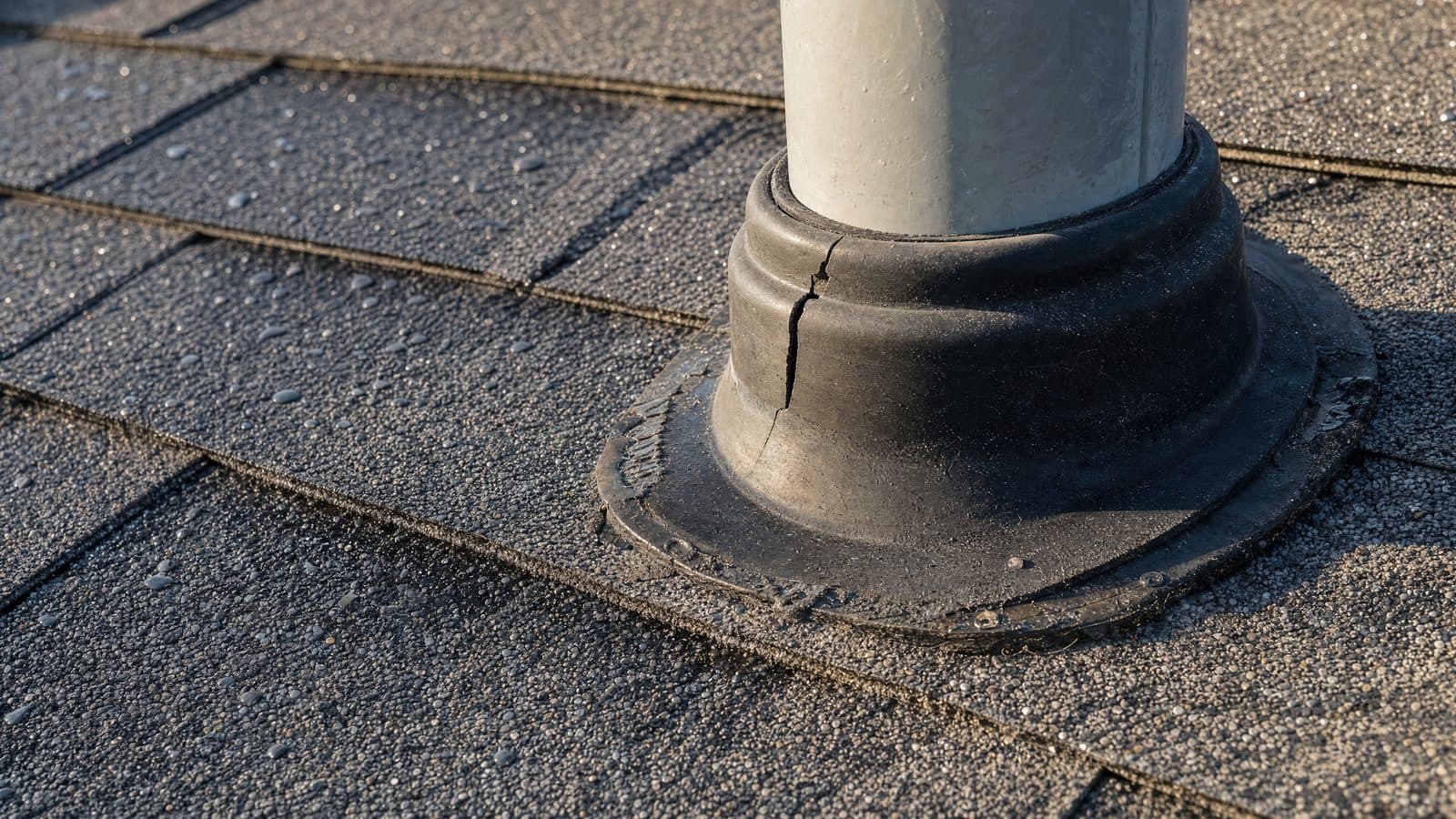
The fix is usually simple: replace the boot and reseal the shingles around it. It is a small roof repair, as long as it gets caught before the decking underneath rots.
2. Worn or loose flashing
Flashing is the metal that seals the joints where your roof meets something else: a chimney, a wall, a skylight, a dormer. The sealant holding it dries out and cracks, and the metal can pull away as it heats up and cools down every day. Leaks from flashing often show up only during wind-driven rain, when water gets pushed sideways into the joint, which is why they can be so hard to pin down.
3. Roof valleys
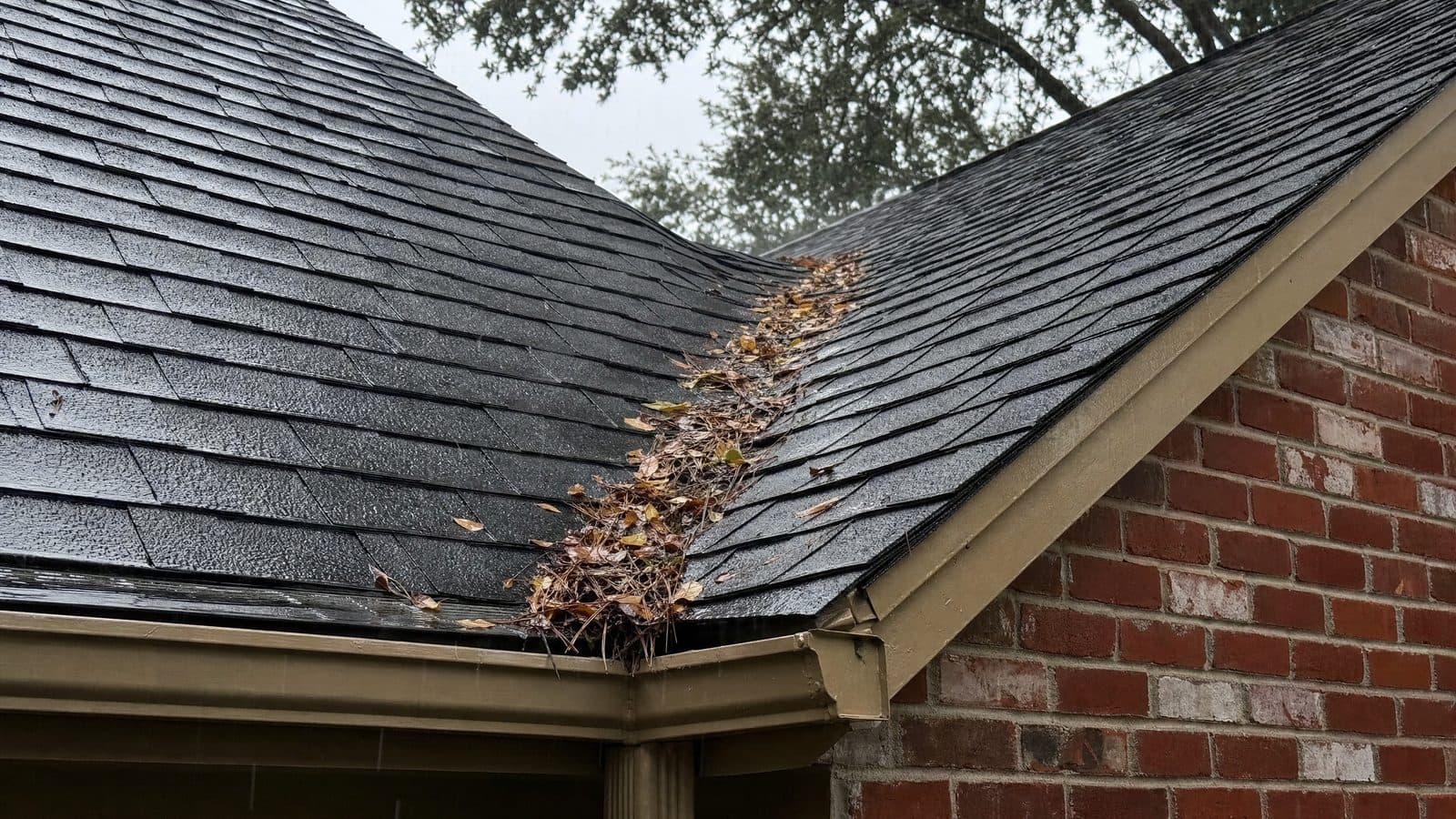
A valley is where two slopes of the roof meet, and it carries more water than any other part of the roof. Leaves and debris collect there, water slows down, and over time it works its way under worn shingles or underlayment. Valley leaks tend to show up after long, heavy rains rather than quick showers.
4. Missing, lifted or hail-damaged shingles
High wind can lift shingles and break the seal that holds them down, and hail knocks off the granules that protect them. Sometimes the damage is obvious, with shingles in the yard after a storm. Often it is not. A shingle that was bruised by hail in spring can hold until the next big rain finds it. If your area had hail this year, our storm damage page explains what to look for and how the insurance side works.
5. Clogged gutters
Gutters are not part of the roof, but they cause plenty of roof leaks. When they are packed with leaves and shingle granules, water backs up behind them, soaks the fascia board, and can wick under the roof edge. You will usually see the damage at the edge of a room along an outside wall, or as rotted wood behind the gutter.
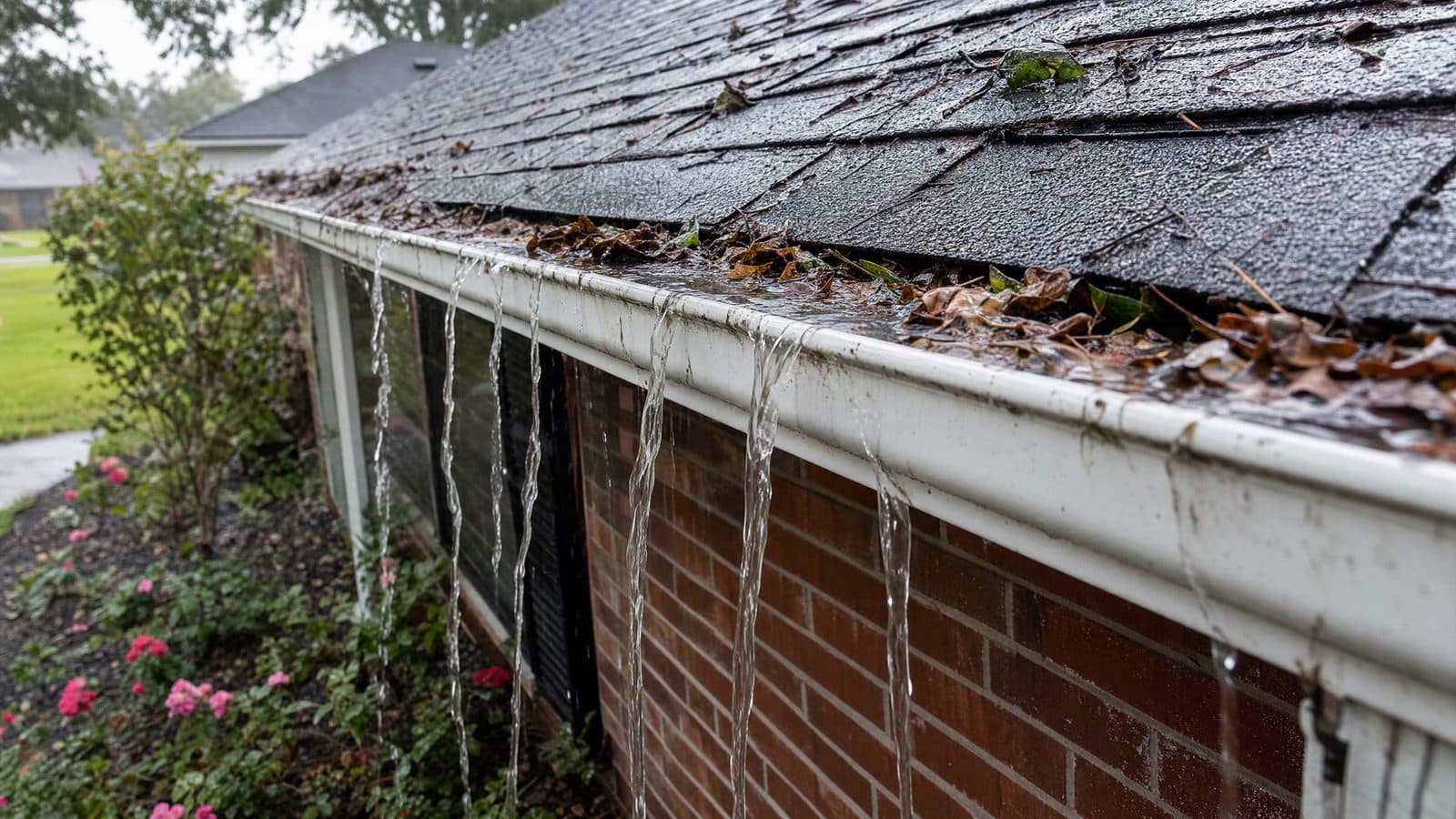
Cleaning them twice a year, before spring storm season and after the leaves drop in the fall, prevents most of it. If your gutters are sagging, dented by hail or pulling away from the house, that is a gutter repair job.
6. Roof vents and other holes in the roof
Box vents, turbine vents, exhaust fans and old satellite dish mounts all put holes in your roof. Each one depends on a seal, and each seal ages. Dish mounts are a common one: when a dish gets removed, the screw holes it leaves behind are not always sealed properly.
7. An old roof wearing out
Sometimes the cause is simply age. Many asphalt shingle roofs last somewhere around 20 to 25 years, and less after repeated hail and Texas summers. When a roof is near the end of its life, the shingles get brittle, lose their granules and stop sealing, and leaks start showing up in more than one place. At that point patching one leak at a time usually costs more over a couple of years than a roof replacement.
How to tell where your leak is coming from
When the leak happens tells you a lot. A leak that drips in every rain usually points to a pipe boot, a vent or a valley. A leak that only shows up in sideways, wind-driven rain points to flashing or the joint where the roof meets a wall. A leak that only appears after hours of steady rain often points to a valley or saturated decking.
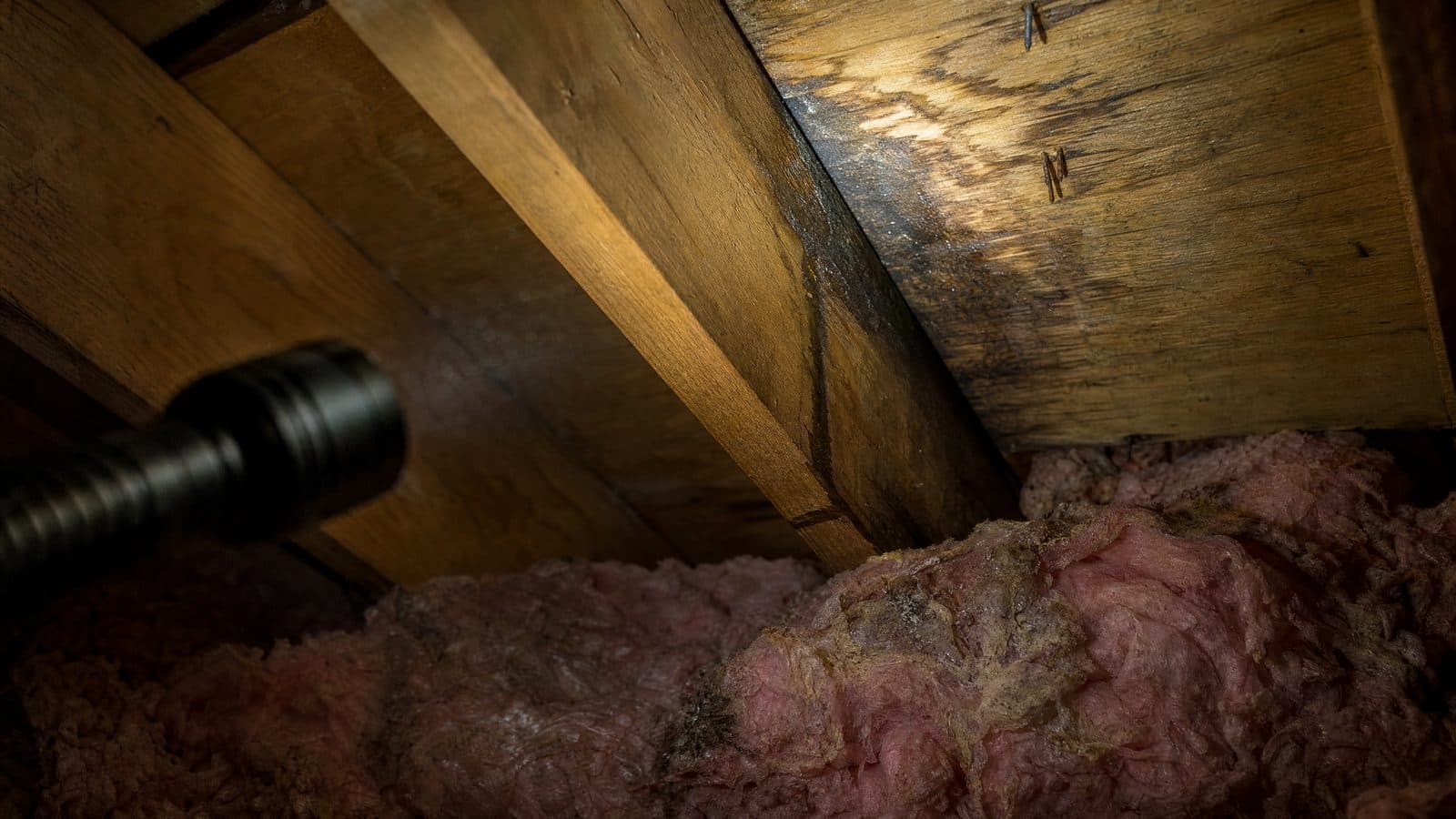
If you can get into your attic safely, go up during the day with a flashlight. Look for dark stains on the underside of the roof deck, damp or matted insulation, rusty nail tips, and water trails on the rafters. Water runs downhill along the wood, so the real entry point is usually above and uphill from where it drips.
Stay off the roof itself, especially when it is wet. A roofer can water-test the roof one section at a time, starting low and working up, to find a leak that does not show itself.
Is a roof leak covered by insurance?
It depends on what caused it and what your policy says. A leak from sudden storm damage, like hail or wind, is usually treated differently from a roof that simply wore out. Take dated photos, keep receipts for any tarp or temporary repair, and call your insurance agent if water damaged the inside of your home. The storm damage page covers how claims work in Texas.
Get a free roof leak inspection from Duane
You do not have to figure this out on your own. Call Duane Huddleston at (214) 545-8133 or request a free inspection. He will find where the water is getting in, show you photos of what he finds, and tell you straight whether it is a quick repair or something bigger. No cost and no obligation.
Total Pro Roofing serves Royse City, Rockwall, Fate, Heath, Rowlett, Garland and the rest of DFW.
Have a question about your roof?
Call Duane at (214) 545-8133 or request a free inspection. No cost, no obligation.