
Roof Ventilation in Texas Heat: How a Hot Attic Ages Your Roof
By Total Pro Roofing ·
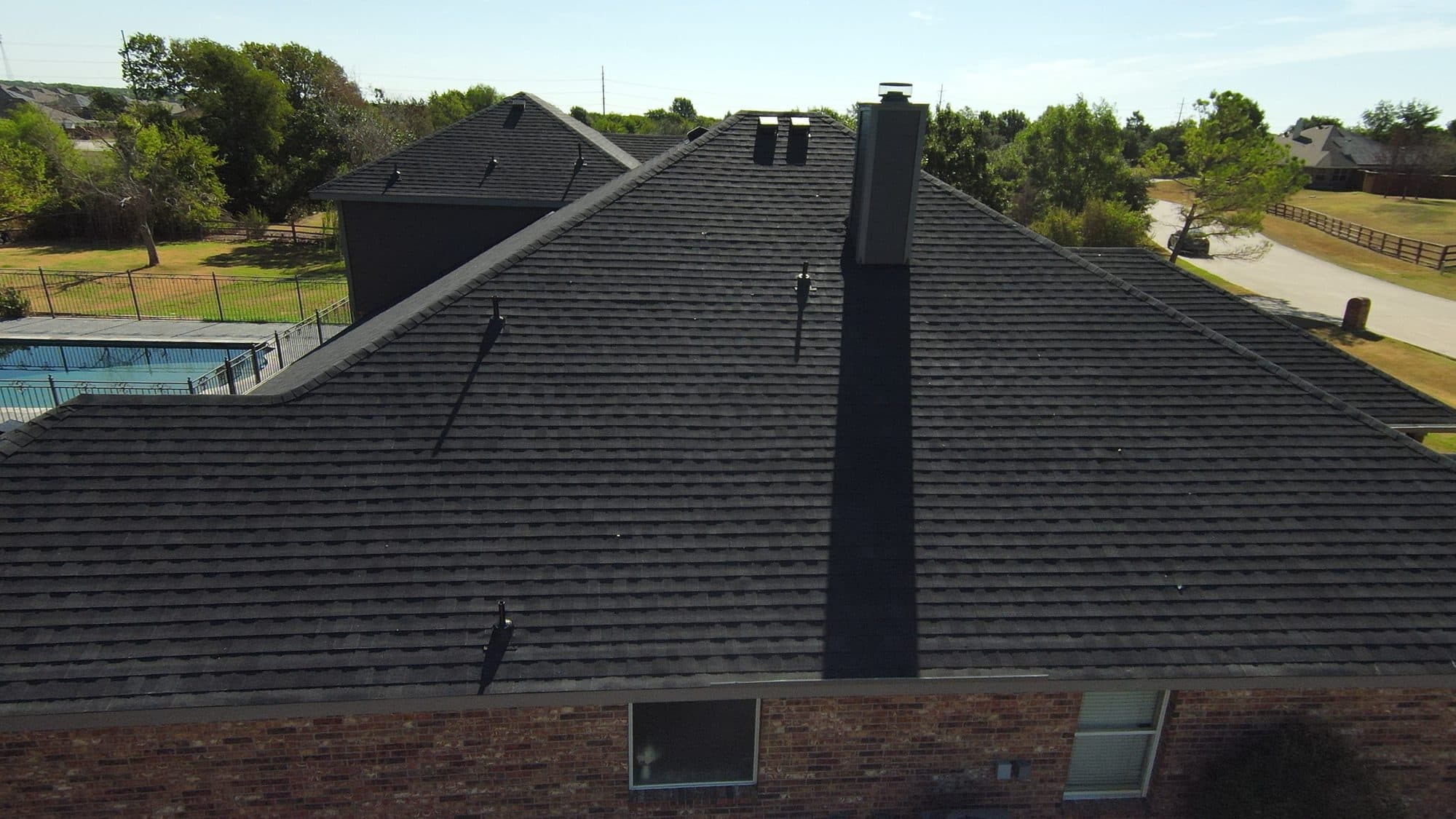
By September 18, 2026, DFW had logged 52 days of 100°F or hotter this year, and 15 of them came in September, a record for the month, according to the Dallas Express, citing the National Weather Service. On top of that, DFW Airport went 67 days without measurable rain until September 21. That is a long, hard summer for any roof, and it is even harder on one sitting over an attic that cannot breathe. Good roof ventilation in Texas heat is not a nice extra. It is part of what keeps your shingles going.
Whether your home is in Prosper, Little Elm, Celina or anywhere else in DFW, here is how attic heat ages a roof, the signs your ventilation is not keeping up, and what fixing it usually involves.
How Texas heat ages a roof from both sides
The sun hits your shingles from above all day. Underneath, the attic heats up too, and if that hot air has nowhere to go, it stays trapped against the underside of the roof deck. The shingles end up baking from both sides.
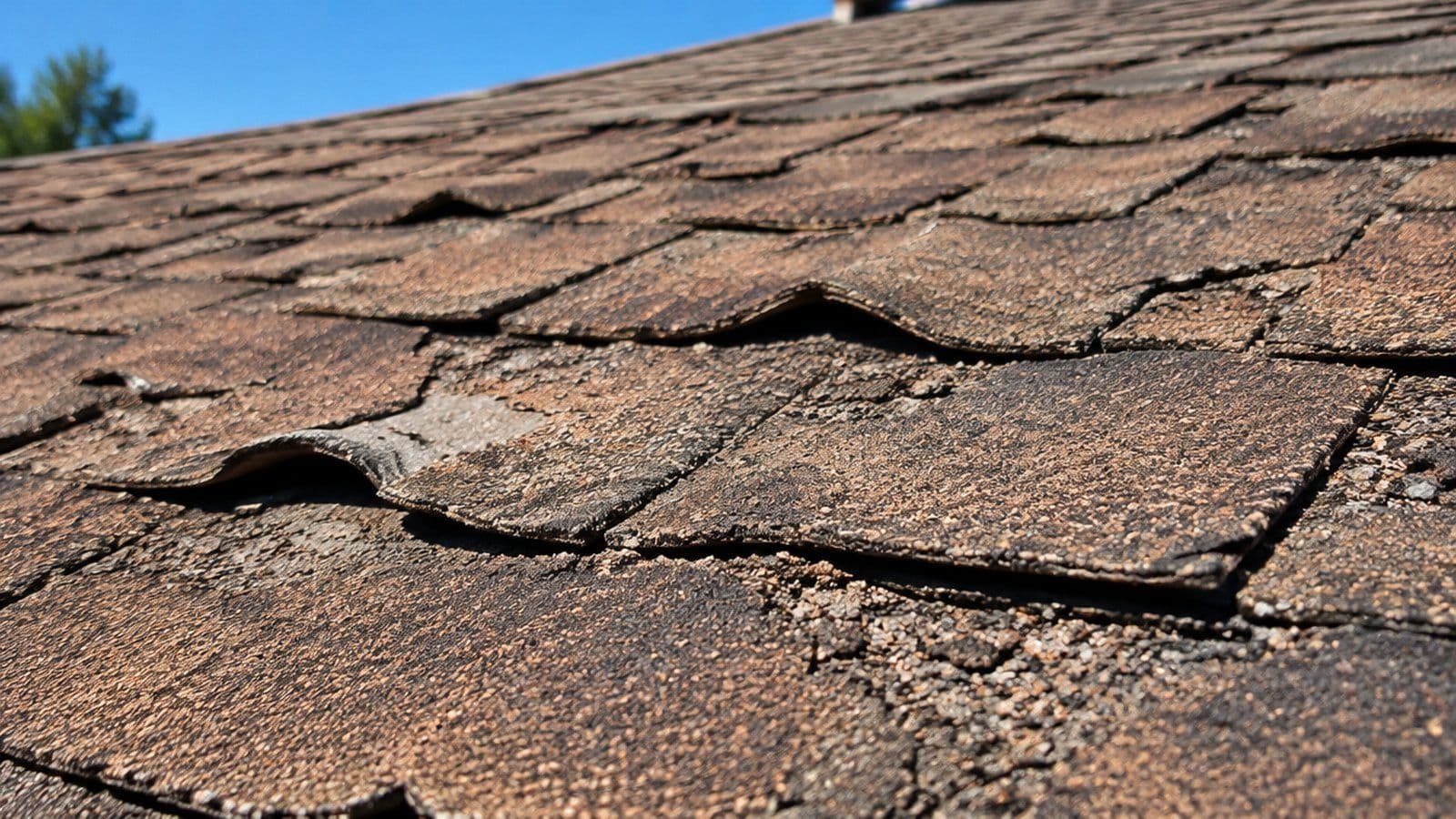
Asphalt shingles do not handle that well. Over time they dry out, get brittle, curl at the edges, crack and lose the granules that protect them from the sun. InterNACHI, the home inspectors' association, says it plainly in its life expectancy chart: "Hot climates drastically reduce asphalt shingle life." The same chart puts 3-tab shingles at about 20 years and architectural shingles at about 30. In North Texas, with an attic that cannot breathe, do not count on getting all of that.
How roof ventilation works
The idea is simple: cool air comes in low, and hot air goes out high. When both sides are working, outside air moves through the attic all day and carries heat and moisture out with it.
Intake vents
Intake vents are usually soffit vents, the perforated panels or screened openings under the eaves. They let outside air into the attic at its lowest point. If they are painted over, packed with dust or buried under insulation, the rest of the system has nothing to pull from.
Exhaust vents
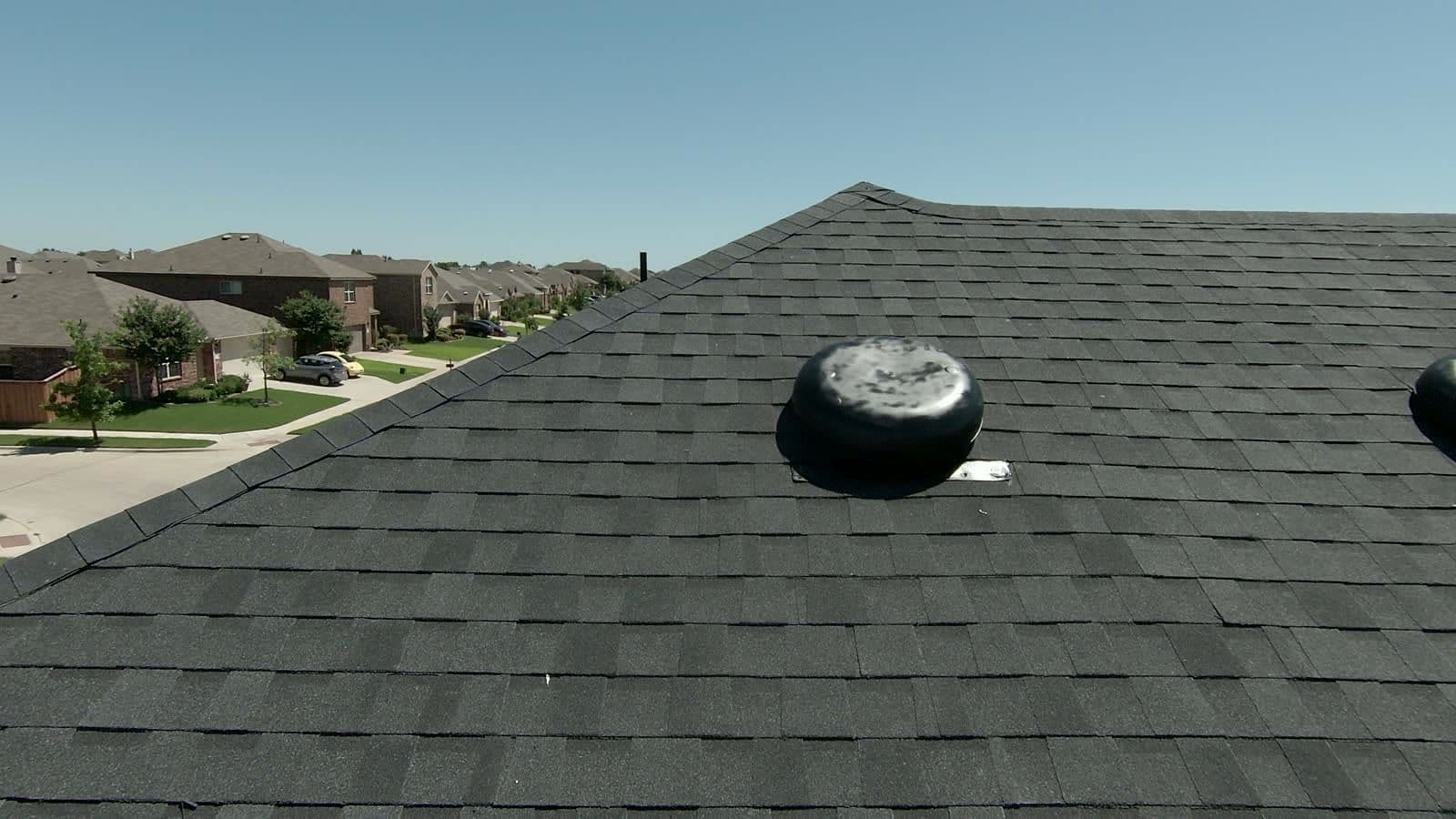
Exhaust vents sit near the top of the roof and let hot air out. On DFW homes you will usually see box vents (the square low-profile vents near the ridge), turbine vents (the round ones that spin), ridge vents that run along the peak, or powered attic fans.
Why balance matters
More vents are not always better. Exhaust vents need enough intake to pull from, or they just move the same hot air around. Mixing different exhaust types on one attic can also work against you. A powered fan, for example, can pull air in through a nearby roof vent instead of through the soffits, which leaves part of the attic stagnant. The right setup depends on the shape of your roof and attic, and that is something a roofer should look at in person.
Signs of poor roof ventilation in Texas heat
You can spot many of the signs without ever getting on the roof:
- Upstairs rooms that stay much hotter than downstairs, with the AC running nonstop all summer
- Shingles that curl, crack, blister or shed granules early for their age
- An attic that is still stifling late in the evening, long after the sun goes down
- Soffit vents that are painted over, clogged or covered by insulation
- Dark stains, a musty smell or rusty nail tips on the underside of the roof deck
- Frost or damp spots in the attic during a hard freeze
That last one surprises people, but ventilation is a winter job too. Warm, damp air from the house rises into the attic and condenses on the cold roof deck. During the January 2026 winter storm, the National Weather Service reported that DFW stayed at or below freezing for 58 straight hours. A poorly vented attic in a stretch like that collects moisture with nowhere to go. Our winter roof prep guide covers the rest of getting ready for cold weather.
How to check your attic safely
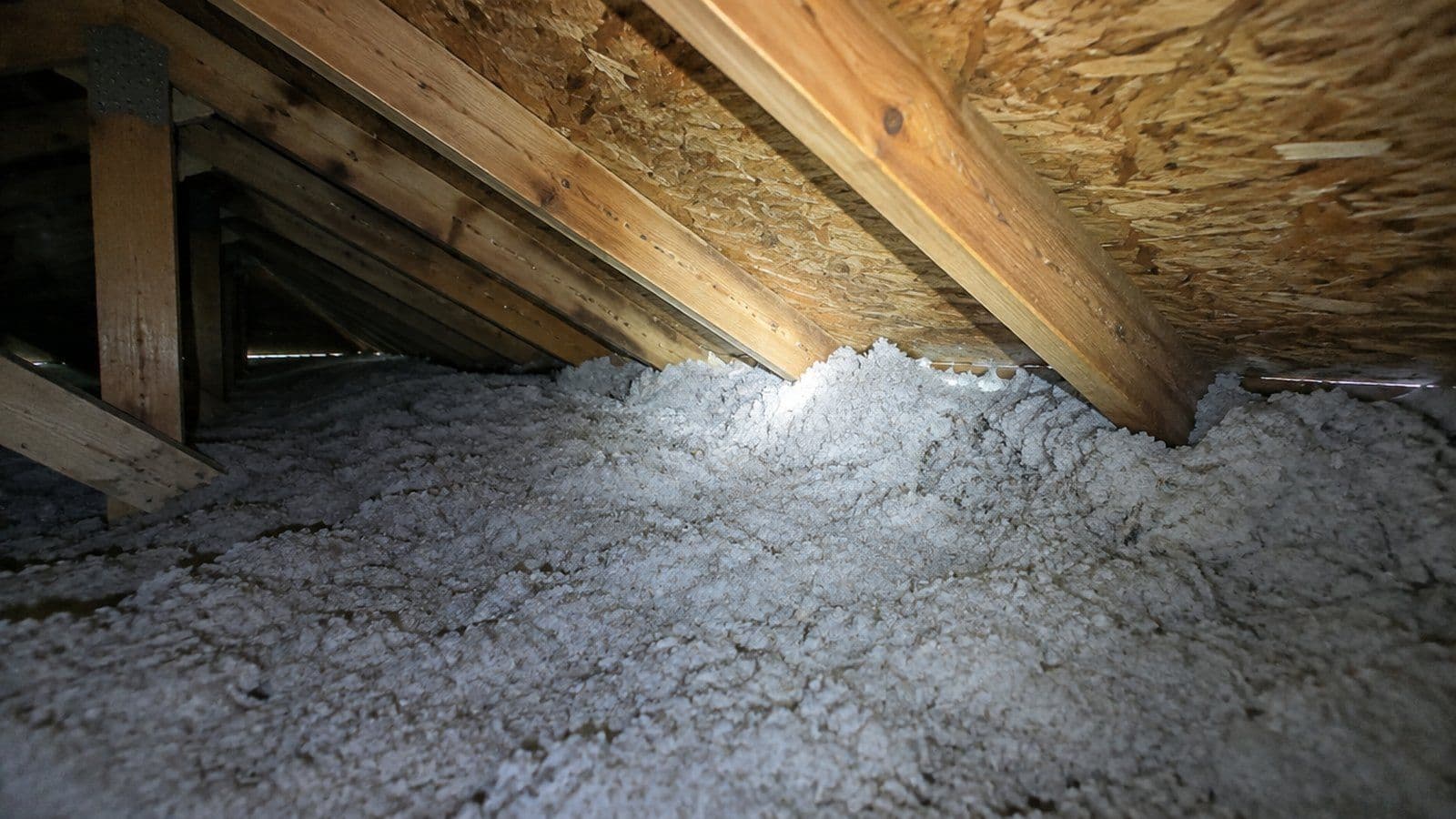
If you can get into your attic, go up early in the morning, not in the afternoon. Attics heat up fast once the sun is on the roof, and a hot attic is no place to be crawling around. Take a good flashlight, step only on the joists, and let someone know you are up there.
Look toward the eaves. On a sunny morning you may see daylight coming through the soffit vents. If insulation is pushed up against them and you see no light at all, the intake may be blocked. Check the underside of the roof deck for dark stains, damp spots or rusty nails, and see whether the insulation looks matted or wet anywhere.
Stay off the roof itself. A fall from a roof is not worth saving a phone call.
What fixing roof ventilation usually involves
Fixing ventilation is usually not a big job on its own. Depending on what is wrong, it can mean:
- Opening up blocked soffit vents and adding baffles so insulation cannot cover them again
- Adding exhaust vents, or replacing worn-out turbine and box vents
- Removing a mix of exhaust types that are fighting each other
- Sealing and flashing every vent properly so a fix for heat does not turn into a leak
The best time to get it right is during a roof replacement, when the old vents are already coming off and the decking is open. If your shingles are already showing heat damage, read our posts on the signs you need a new roof and what a roof replacement looks like day by day. If you are replacing anyway, it is also the time to ask about impact resistant shingles. For smaller fixes, see our roof repair page.
Have Duane check your roof vents and attic
If your upstairs feels like an oven every summer or your shingles look older than they are, have your roof ventilation checked before another summer of Texas heat. Call Duane Huddleston at (214) 545-8133 or request a free inspection. He will check your roof, vents and attic, show you photos of what he finds, and tell you straight whether it needs a simple fix or more. No cost and no obligation.
Total Pro Roofing serves Prosper, Little Elm, Celina, Frisco and the rest of DFW. See all of our service areas.
Have a question about your roof?
Call Duane at (214) 545-8133 or request a free inspection. No cost, no obligation.